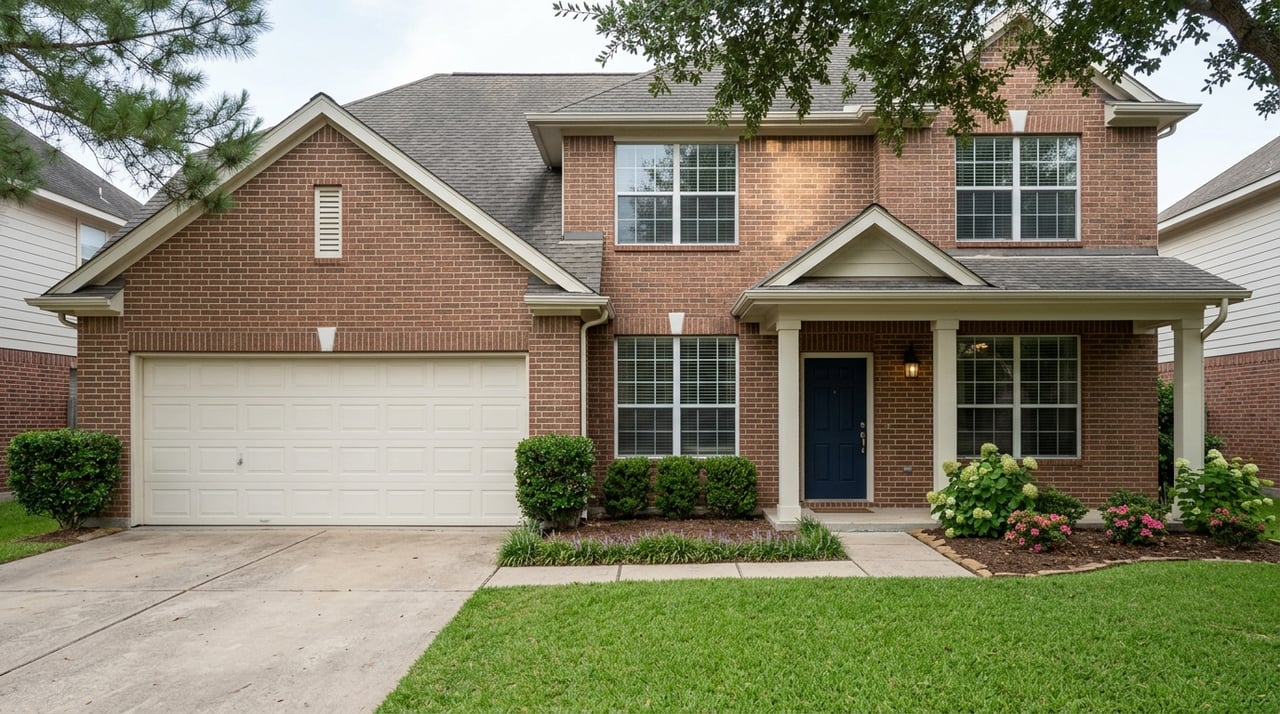
Texarkana Texas vs Arkansas Buying: What Changes?
May 14, 2026
May 14, 2026
Thinking about buying in Texarkana and wondering whether the Texas side or Arkansas side is the better fit? That question comes up all the time, especially for relocation buyers who want the right home and a smooth closing. The truth is both sides can work well for you, but the homebuying process is not exactly the same. If you understand the deadlines, paperwork, and closing costs ahead of time, you can make a more confident move. Let’s dive in.
In Greater Texarkana, you can shop neighborhoods, commute routes, and home styles on both sides of the line without going far. What changes is the process behind the purchase.
On the Texas side, the transaction is generally more standardized and deadline-driven. On the Arkansas side, more of the process depends on the exact terms written into your contract and the specific fees quoted for closing services.
That means your timeline, due diligence, and even the way you compare closing costs may look different depending on which side you choose. If you are moving quickly or buying from out of town, those differences matter.
On the Texas side, the current TREC resale contract builds in several important deadlines. Earnest money and the option fee must be delivered within 3 days after the effective date of the contract.
Texas also gives buyers an unrestricted right to terminate during the option period. That can give you a clear window to inspect the property, review documents, and decide whether to move forward.
The contract also requires the seller to provide the title commitment within 20 days after the title company receives the contract. If title documents arrive late, the form includes automatic extension language tied to that delay.
For previously occupied single-family homes in Texas, sellers must provide the TREC Seller’s Disclosure Notice for contracts entered into on or after September 1, 2023. In practical terms, you should expect a formal disclosure document early in the transaction.
That creates a more standardized due-diligence process. You are usually reviewing the contract, seller disclosure, and title paperwork on a fairly structured timeline.
Texas does not require title insurance by law, but lenders commonly require a loan policy. One key detail for buyers is that Texas regulates title insurance rates.
That means title companies charge the same policy premium for the same policy. The title premium includes the title search, title examination, and closing the transaction, so your bigger shopping opportunity is often in the escrow fee and other closing costs rather than the policy premium itself.
On the Arkansas side, the process depends more heavily on what the parties agree to in writing. According to AREC guidance, earnest money is not necessary to form a contract.
That means whether earnest money is used, when it is due, and what happens if a buyer defaults are negotiated terms instead of automatic statewide defaults. If you are buying in Arkansas, you will want to read the contract carefully and make sure the inspection period, repair process, and timelines are clearly spelled out.
AREC also notes that if the closing date changes, that extension should be put in writing. In other words, Arkansas buyers need to pay close attention to the exact paperwork, not just the general idea of the deal.
Arkansas does not have a general state law requiring every seller to disclose all property-condition information. However, disclosure forms are used in most residential transactions, and buyers can request a seller property disclosure as part of the offer.
So in Arkansas, the disclosure step is often more dependent on the listing setup and the written contract than on one mandatory statewide form. If disclosure matters to you, it should be addressed clearly from the start.
Arkansas handles title-related charges differently than Texas. The Arkansas Insurance Department separates the title insurance premium from many other closing services.
Charges such as title search, abstracting, examination, document preparation, escrow or closing fees, notary fees, tax-report fees, processing fees, courier fees, and similar costs are not part of the title insurance premium. That makes a line-by-line closing quote especially important if you are comparing providers on the Arkansas side.
The state also allows closing protection letters to be issued if requested and handled by the title insurance agent. If a title issue becomes a legal question, Arkansas rules say a title agent may not give legal advice about title status unless that person is also a licensed Arkansas attorney.
In Texas, the option period gives you a clearly defined window to back out for any reason. That is one of the biggest reasons Texas feels more front-loaded and deadline-driven.
In Arkansas, the inspection period and repair process depend more on what is written into the agreement. You should never assume those terms match a Texas-style contract.
Texas contracts include a built-in title-objection process, a 15-day cure period, and timing tied to delivery of title documents. That gives buyers a more standardized framework for title review.
Arkansas relies more on the specific agreement and the closing professionals involved. If you are buying on the Arkansas side, asking early how title issues will be handled can save stress later.
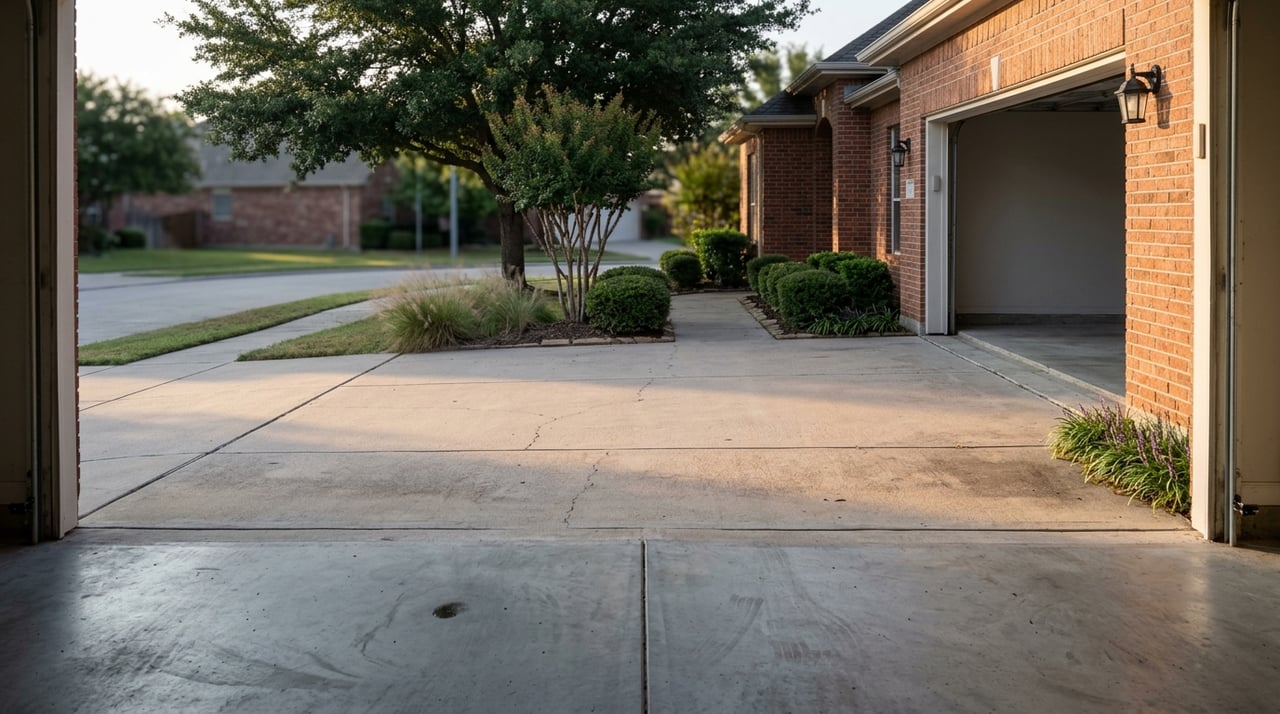
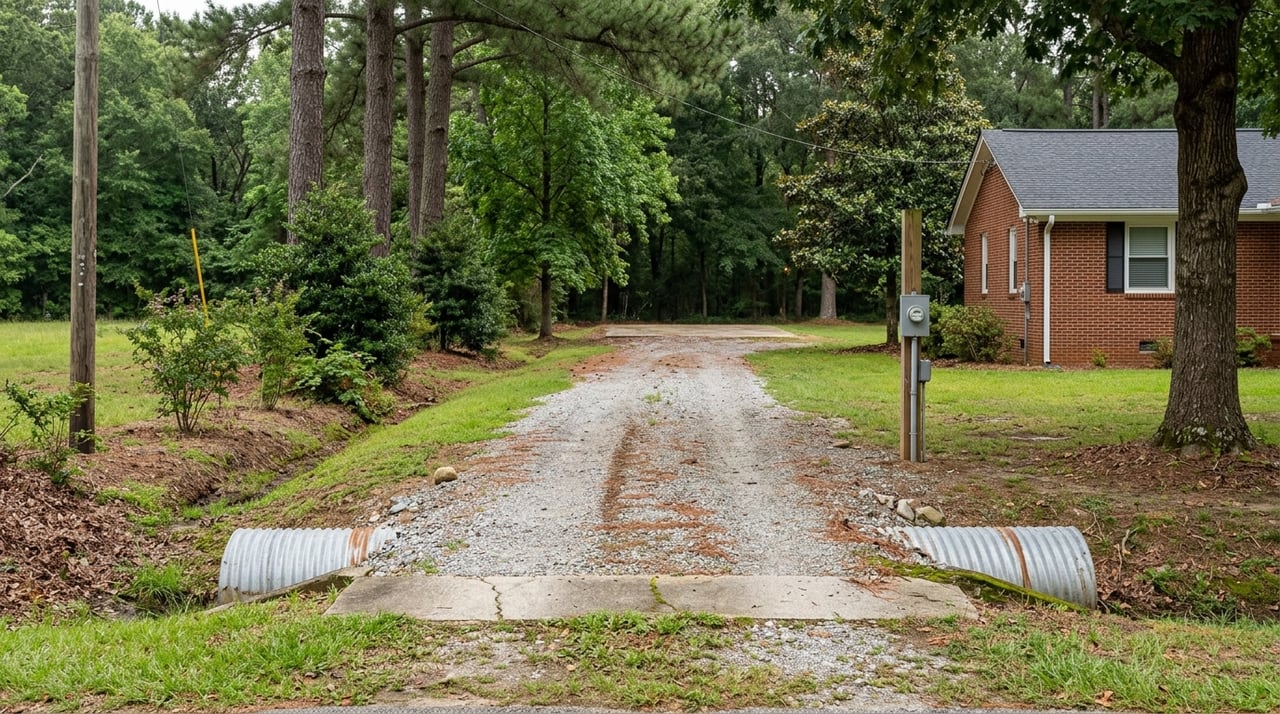
A survey can be important no matter where you buy, but Arkansas guidance strongly recommends one because boundary, driveway, and access problems often show up only after a survey is ordered. If you are looking at acreage, an older property, or a lot with unusual access, this becomes even more important.
On either side of Texarkana, it is smart to ask whether an existing survey will be reviewed, whether a new one may be needed, and who will pay if the existing survey is not acceptable.
One difference buyers often notice at closing is transfer tax. Arkansas charges a real property transfer tax of $3.30 per $1,000 of actual consideration on transactions over $100.
Texas is different. The Texas Constitution prohibits new transfer taxes on transactions conveying fee-simple title to real property, so that Arkansas line item may not appear on the Texas side.
The post-closing tax process is different too. In Texas, there is no state property tax, and residence homestead exemptions are filed with the county appraisal district, generally by May 1.
In Arkansas, homeowners apply for the homestead property tax credit through the county assessor. The credit is up to $425 per year and increases to up to $500 beginning with the 2025 tax bills.
The best side of Texarkana for you is not just about the house itself. It is also about how comfortable you are with the process, timeline, and costs.
If you like a more standardized contract with clearly defined deadlines, the Texas side may feel easier to navigate. If you are open to a process that depends more on negotiated terms and careful review of separate closing-fee quotes, the Arkansas side may work just as well.
For many buyers, the deciding factor is practical. You may prefer one side because of commute, taxes, property type, or the exact home that fits your needs. The key is knowing what to expect before you write the offer.
Buying across the Texas-Arkansas line is not hard when you know the rules of the road. The challenge is that small process differences can affect your deadlines, risk, and out-of-pocket costs.
That is where local, cross-border experience really helps. A team that works on both sides of Texarkana can help you compare not just homes, but also the steps, timing, and paperwork that come with each option.
At Doris Morris Real Estate, that practical guidance is a big part of the process. Whether you are a first-time buyer, a relocation buyer, or simply weighing both sides of town, a clear plan can make the whole experience feel much more manageable.
If you are comparing homes in Texarkana, TX and Texarkana, AR, the smartest next step is to talk through your timeline, financing, and contract strategy before you fall in love with a property. Doris Morris can help you sort through the differences and build a buying plan that fits your goals.
Stay up to date on the latest real estate trends.

Before you buy or sell with any other agency, connect with Doris Morris Real Estate. We welcome the opportunity to show you how our concierge approach and proven methods can positively impact your bottom line.