Pleasant Grove Dallas Lifestyle: Shops, Parks, and Routine
April 2, 2026
April 2, 2026
If you are trying to picture what daily life in Pleasant Grove actually feels like, the answer is less about big-ticket attractions and more about rhythm. This is a part of southeast Dallas where errands, park time, commutes, and neighborhood routines tend to stay close to home. If you want a clearer sense of what living here may look like from Monday morning to weekend downtime, this guide will walk you through it. Let’s dive in.
Pleasant Grove is part of southeast Dallas, but it still carries a distinct identity. D Magazine’s neighborhood guide describes it as a former independent town, and that local identity still shapes how the area is experienced today.
The City of Dallas ForwardDallas plan classifies Pleasant Grove as mostly community residential, with commercial uses clustered along major roads and transit nodes. In practical terms, that means you are likely to find established residential blocks, everyday retail along key corridors, and a layout built for regular routines instead of a master-planned feel.
The same city plan notes that about 70% of the area has well-maintained sidewalks, and nearly 40% of residential areas are covered by a neighborhood organization or HOA. Dallas ISD staff also describe strong community pride and connection in the area, which helps explain why Pleasant Grove often feels like a neighborhood with its own center of gravity.
For many people, everyday life in Pleasant Grove is built around convenience. Shopping, meals, green space, and transit access are all available within the neighborhood or nearby, so daily plans do not always require a long cross-city drive.
That local structure matters when you are choosing where to live. It shapes how quickly you can handle errands, where you might spend an hour outside, and how easy it is to build a steady routine close to home.
Much of Pleasant Grove’s everyday retail is concentrated along South Buckner Boulevard and nearby corridors. Grocery options include Foodland Markets, Walmart Neighborhood Market, ALDI, and Sam’s Club, with Joe V’s Smart Shop also opening nearby on Samuell Boulevard in March 2025.
What that means for you is fairly simple. Grocery runs, household pickups, and bulk shopping can often be handled within the broader Pleasant Grove area, which supports a practical, errand-friendly lifestyle.
Pleasant Grove’s dining scene leans local, familiar, and easy to work into a normal day. Circle Grill has been serving Dallas since 1946, while Pizza Patrón on Lake June Road offers another quick option nearby.
The area also saw the 2025 opening of Cielito Lindo on Lake June Road, adding a brunch spot with Mexican food, coffee, and pastries. Taken together, these businesses suggest a neighborhood where meals are often about convenience and local favorites rather than destination dining.
One of Pleasant Grove’s strongest everyday advantages is access to parks and outdoor space. If you value having room to walk, spend time at a playground, or plan an active weekend, this part of Dallas offers more than many buyers may expect.
The park mix supports both quick weekday use and longer outdoor outings. That flexibility can make a real difference in your routine.
Crawford Memorial Park is one of the area’s defining outdoor spaces. Dallas Parks lists it as a 266.2-acre metropolitan park with a 2-mile loop trail, athletic fields, a playground, picnic tables, and natural areas.
For everyday living, that kind of park can serve a lot of purposes. You may use it for a short walk, a weekend picnic, time with kids at the playground, or simply a change of scenery close to home.
Crawford is not the only green space in the area. Dallas Parks also highlights Fireside Recreation Center in the Pleasant Grove area, with programming, fields, a fitness center, and trails.
Beyond that, the broader southeast Dallas landscape connects Pleasant Grove residents to major outdoor destinations in the Trinity corridor. Those include Texas Horse Park, the Great Trinity Forest Gateway and Horse Trail, and the Trinity River Audubon Center, which Dallas Parks describes as a 120-acre site with five miles of nature trails.
The ForwardDallas plan also identifies Crawford Memorial Park, Fireside Park, Woodland Spring Park, Holcomb Park, Pemberton Hill Park, and the Great Trinity Forest as key natural features tied to Pleasant Grove. If outdoor access matters to you, that is an important part of the neighborhood story.
Commute patterns in Pleasant Grove are not one-size-fits-all. Some residents rely mainly on highways, while others have access to rail and bus connections that are more robust than many people assume for this part of the city.
That flexibility can be useful if your work, school, or regular destinations take you to different parts of Dallas.
Pleasant Grove is served by DART’s Green Line through Lake June Station and Buckner Station. According to DART, Lake June Station sits at Lake June Road and Gillette Street east of U.S. 175, with connections to bus routes 218 and 30 plus GoLink.
Buckner Station is also on the Green Line, at Buckner Boulevard and Elam Road, with connections to routes 15 and 38 plus GoLink. DART notes that the Green Line serves the Southeast Corridor to Pleasant Grove, giving the area a transit option that can matter for both daily commutes and city access.
For drivers, the ForwardDallas plan identifies U.S. 175 and Loop 12 as the main regional connectors. The same plan notes that commercial mixed-use areas are concentrated around Lake June Station and Buckner Station, reinforcing how transportation and daily services intersect in the neighborhood.
A D Magazine neighborhood guide reports an average commute time of about 35 minutes for workers in Pleasant Grove. The simplest takeaway is that commuting may take some time, but you do have both rail access and major road connections within the neighborhood itself.
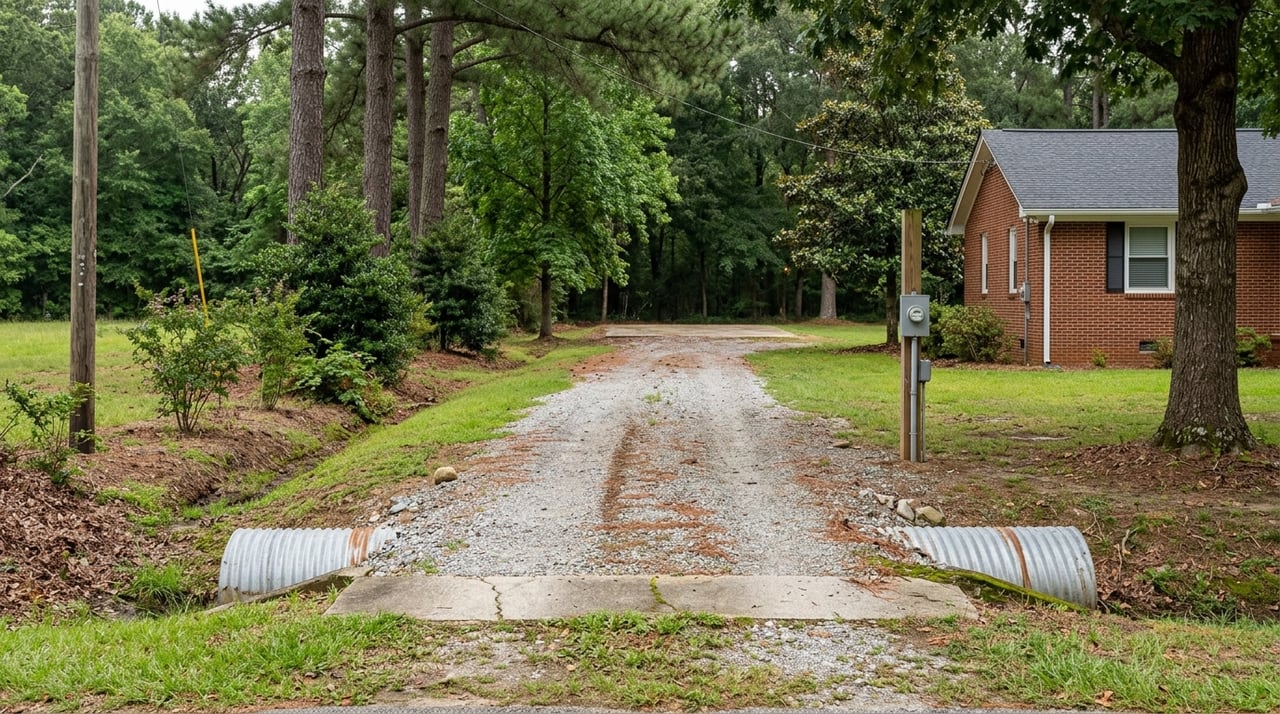
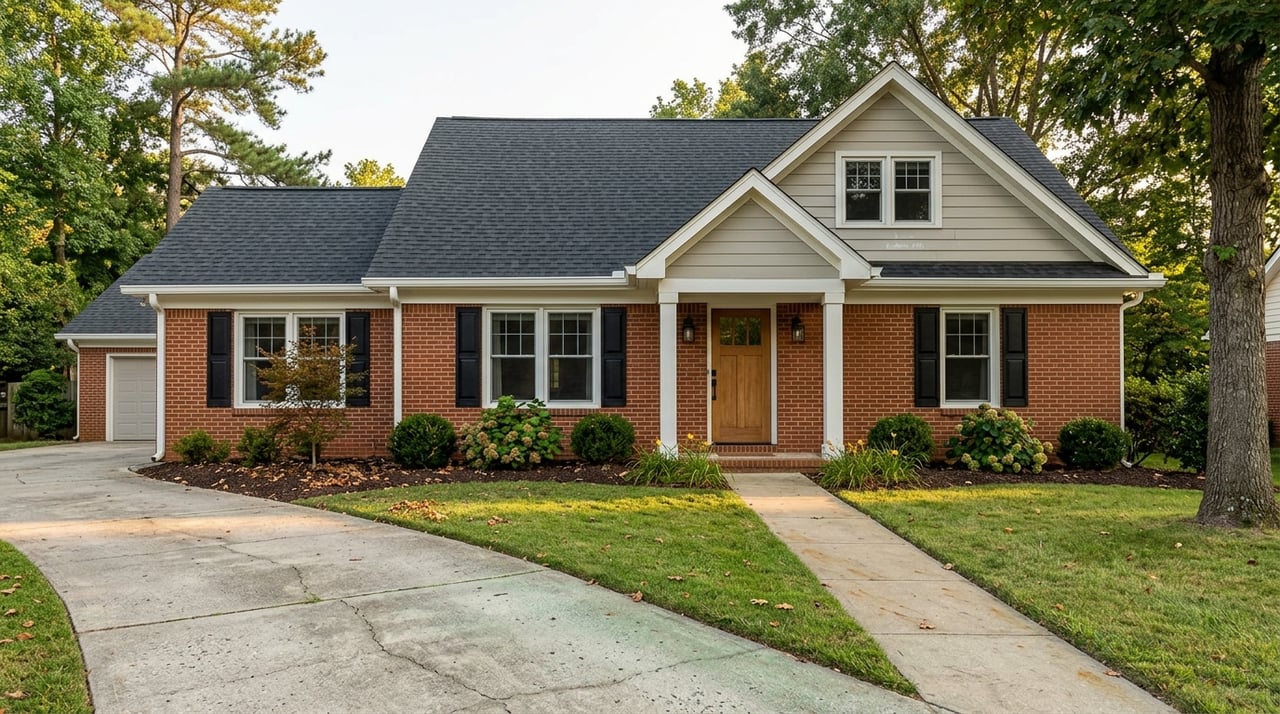
Pleasant Grove is best understood as an established single-family area rather than a newly built suburban development. The research points to older housing stock, mature lots, and a neighborhood layout shaped over time instead of all at once.
That can appeal to buyers who prefer a more settled streetscape and a sense of place that feels lived-in. It also helps set expectations if you are comparing Pleasant Grove to newer communities with more uniform construction.
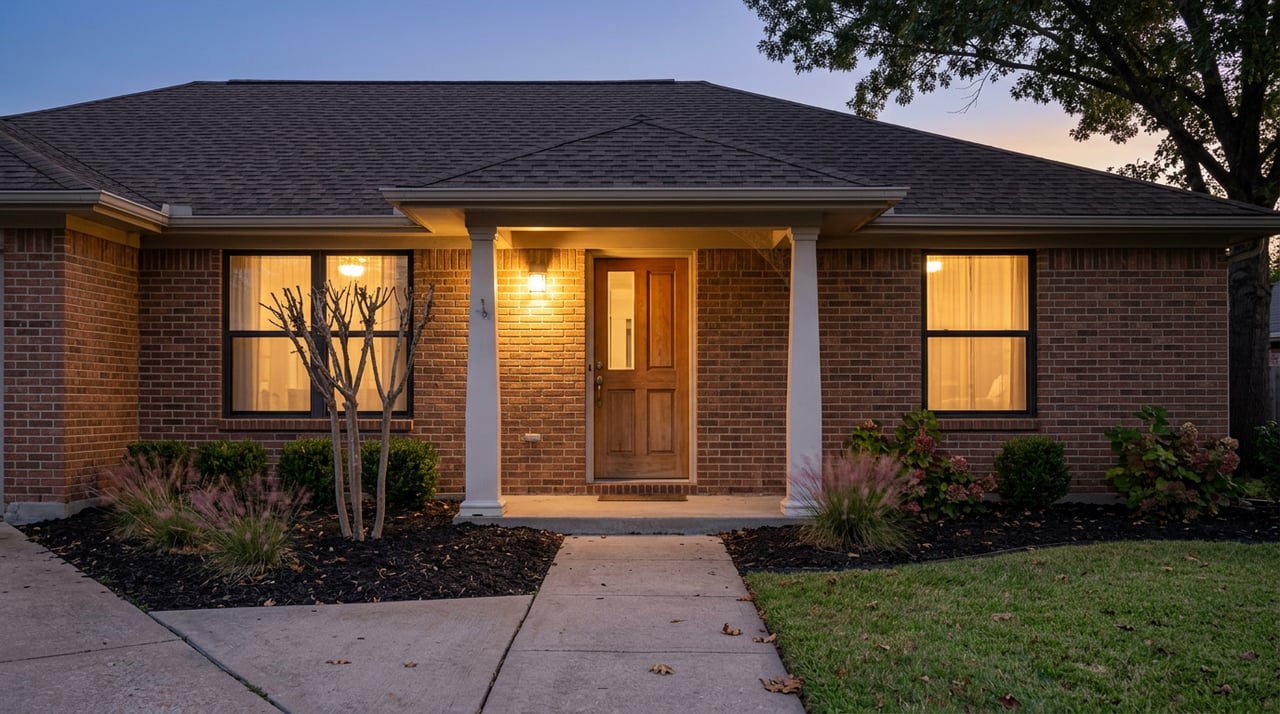
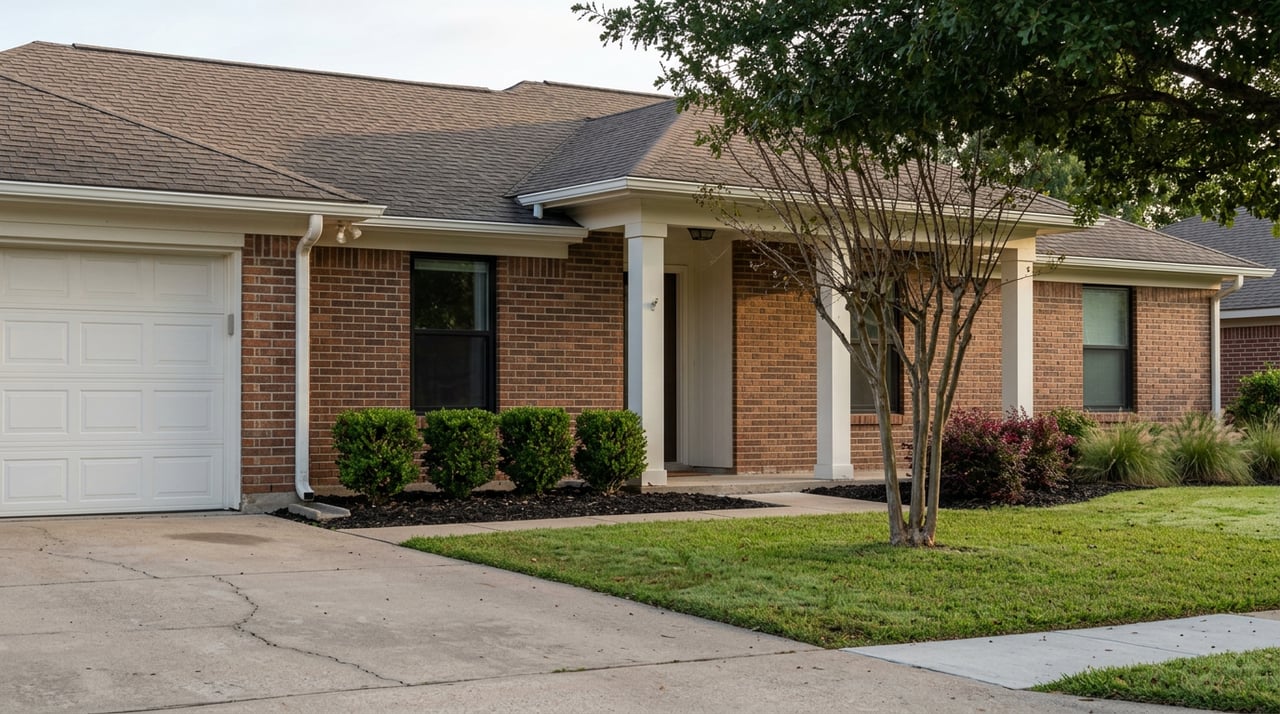
Research summarized in the area points to housing that is generally older and more established, with many homes dating from the mid-20th century through the 1980s. Older D Magazine coverage also describes ranch-style homes, big yards, and pockets with an almost rural, small-town feel.
The practical takeaway is not about one exact home style. It is that Pleasant Grove tends to offer an established neighborhood setting with corridor retail nearby and a strong local identity, which is a different experience from a newer planned subdivision.
Every neighborhood fits some routines better than others. Pleasant Grove may be worth a closer look if you want a part of Dallas where day-to-day needs can stay relatively close, park access is meaningful, and the area feels established rather than newly developed.
You may also appreciate it if you want options in how you get around. Between South Buckner retail, nearby parks, DART Green Line stations, and major road connectors, Pleasant Grove offers a mix of practical features that shape daily life in useful ways.
If you are comparing neighborhoods and want help thinking through how a location fits your routine, commute, and home goals, Doris Morris is here to help with clear, practical guidance. Let’s Talk Strategy.
Stay up to date on the latest real estate trends.
Before you buy or sell with any other agency, connect with Doris Morris Real Estate. We welcome the opportunity to show you how our concierge approach and proven methods can positively impact your bottom line.