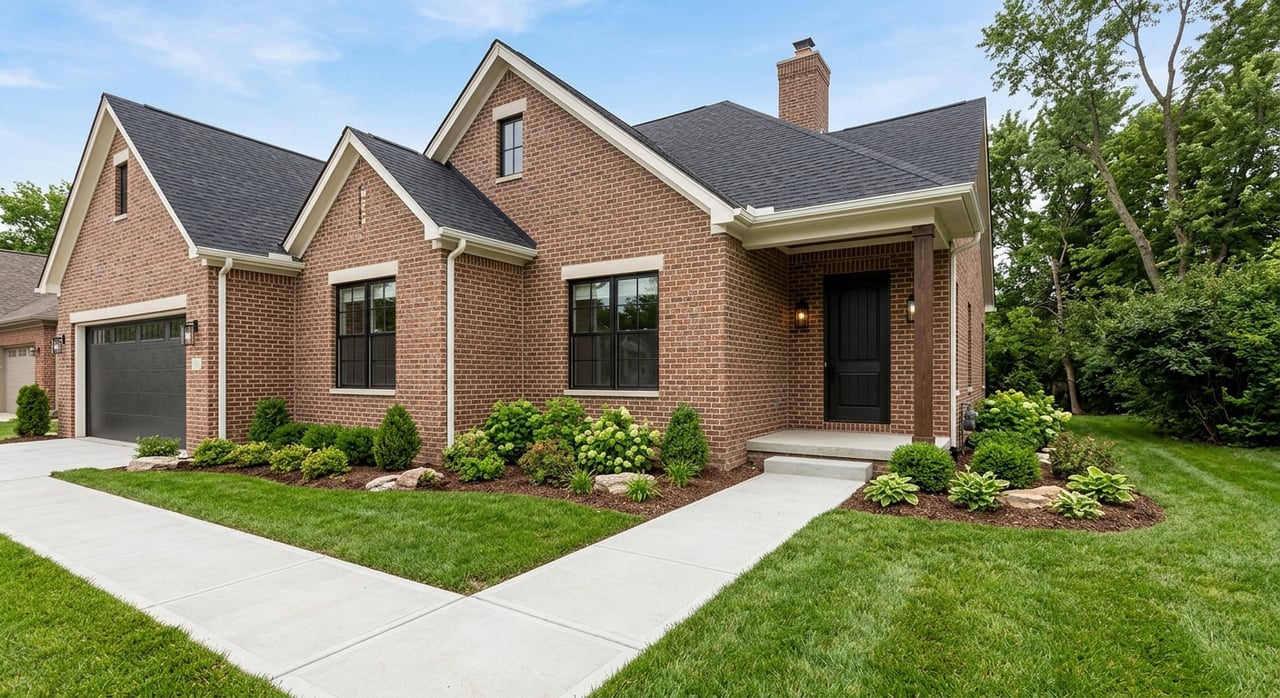
Redwater New Construction vs Resale: What Fits Best?
July 23, 2026
July 23, 2026
If you are deciding between a brand-new home and an existing one in Redwater, the right choice is not always the one with the lower list price. In a small market, every option can come with tradeoffs around timing, condition, flexibility, and total cost. When you know what to compare upfront, you can make a more confident decision and avoid expensive surprises later. Let’s dive in.
Redwater is a very small housing market, with 747 residents and 385 housing units according to the ACS 2024 5-year profile. Those numbers come with wide margins of error, so they are best used as a general snapshot, but they still show an important point: your housing choices may be more limited here than in a larger city.
That matters because you may not be choosing between dozens of similar homes. In Redwater, you may need to compare a newer build with an established home that has a very different lot, layout, or update level. A practical side-by-side process helps you focus on what the home will really cost and how well it fits your timeline.
The broader Redwater ISD area also suggests a mixed housing supply. About 31.3% of housing was built in 2000 or later, while 61.8% was built between 1970 and 1999. In simple terms, many buyers here are comparing newer options against a solid base of existing detached homes.
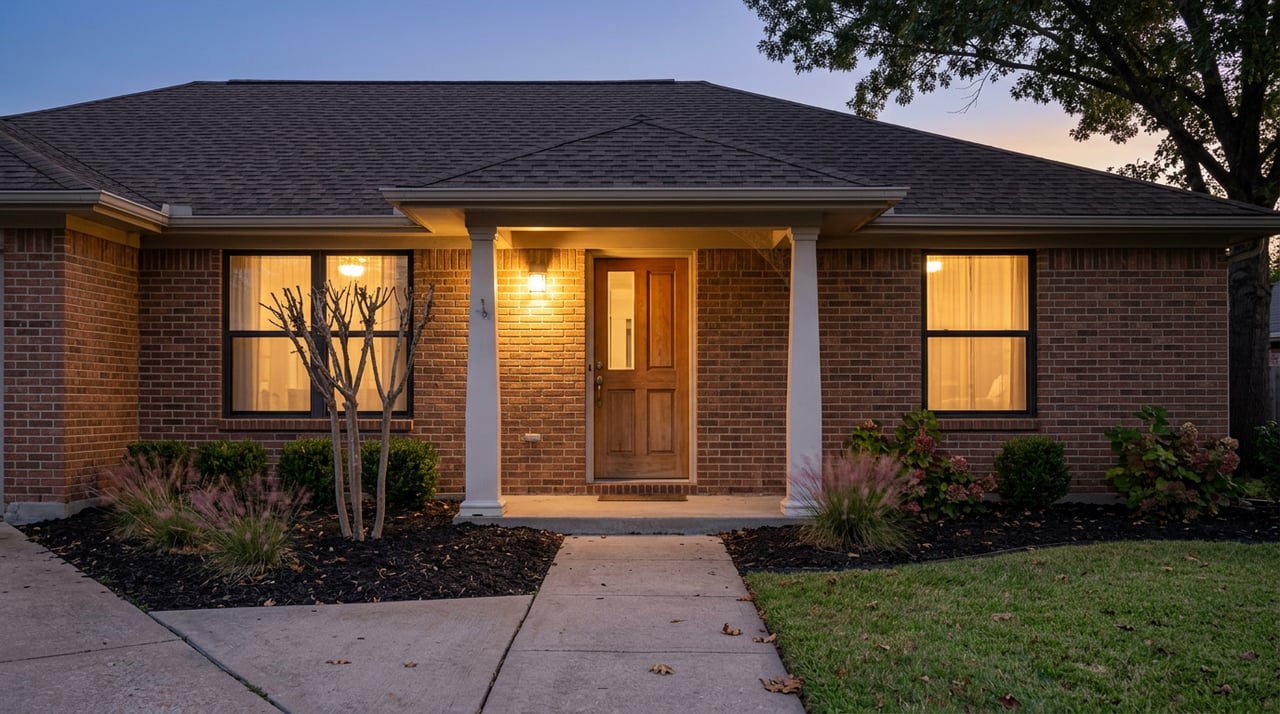
A new home can give you a cleaner starting point, more say in finishes, and fewer immediate repair concerns. If you get involved early enough, you may have more control over layout details, materials, or features than you would with a resale home.
But in Redwater, new construction is not just about the builder’s base price. It can also include borrower-paid options, construction extras, permit costs, and utility connection costs. Depending on how the home is financed, the process may also involve a one-time-close or two-step-close structure.
The city’s local requirements are a big part of that picture. Redwater posts ordinances related to zoning, building, flood damage prevention, and mobile homes, and it has a separate building permit fee schedule and utility-start process for new service connections. Those local layers can affect both your timeline and your budget.
If you are comparing a new build in Redwater, look past the sticker price. The city fee schedule shows that new residential building permits are listed at $0.15 per square foot with a $50 minimum, plus a $125 plan review fee. If work starts without a permit, fees can double.
The same fee schedule also lists separate electrical, plumbing, and mechanical permit fees for new construction. On top of that, the city’s utility information says a new residence needing water or sewer tap service requires signed service documents, a meter deposit of $150 to $400, a $75 inspection fee, a water tap fee of at least $1,450, a sewer tap fee of $600, and a bore fee of at least $500 when applicable.
For many buyers, that is the biggest surprise. A new home may look straightforward at first glance, but site and utility costs can add meaningfully to the delivered price.
One of the biggest advantages of new construction is control. If the build is early enough in the process, you may be able to shape more of the finished product to match your needs and preferences.
The tradeoff is that the path is usually longer and more layered. Permits, utility setup, inspections, construction milestones, and financing structure can all add steps before closing. If you need to move quickly, that extra time may matter just as much as the home’s features.
A brand-new house is still a house built by people, and that means details can be missed. The Consumer Financial Protection Bureau recommends scheduling an independent home inspection as soon as possible so issues can be addressed before closing.
Warranties can help, but they are not the same thing as an inspection. The FTC notes that warranties for newly built homes generally cover workmanship and materials on a limited basis, and many are builder-backed or purchased by the builder. FHA and VA loans also require a third-party warranty for newly built homes.
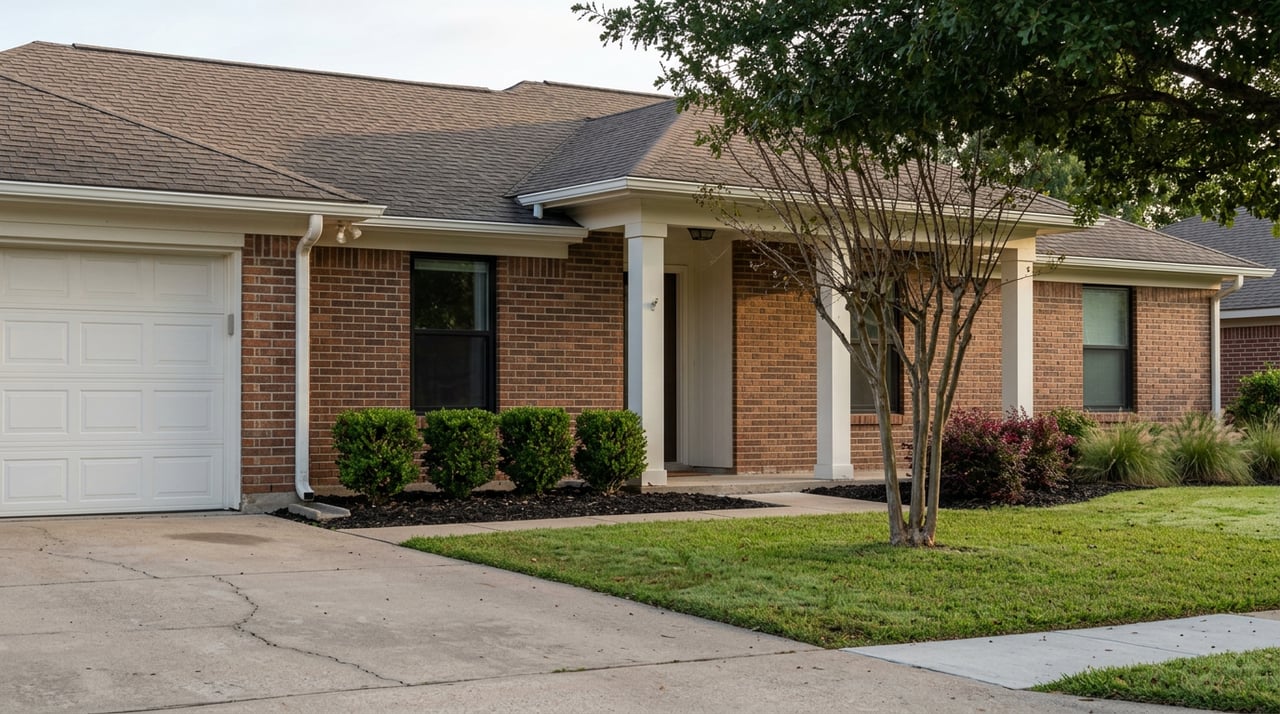
A resale home is often the simpler path if you want a completed house with existing utility service. Instead of navigating permits, tap fees, and construction phases, the process is usually centered on inspection, appraisal, title work, insurance, and closing.
That simplicity can be a major advantage if you want a faster move-in. You can also evaluate the home as it actually performs today, rather than trying to picture a finished product from plans, allowances, or model examples.
In Redwater, that can be especially useful because the housing stock is mostly established rather than brand new. You may have more resale options than true new-build opportunities, even though newer homes are part of the market.
The biggest benefit of resale is visibility. You can see the lot, the layout, the wear, and the updates in their current condition.
The main risk is deferred maintenance. Buyers should budget for repairs, taxes, insurance, and other ownership costs, and routine maintenance matters because small issues can become more expensive later.
Fannie Mae’s maintenance guidance highlights the kinds of areas buyers should pay attention to, including:
In a resale purchase, the inspection gives you leverage and clarity. The CFPB notes that an inspection can reveal problems early enough for you to renegotiate, request repairs, or cancel if the contract allows.
Lenders may also require repairs or escrow if major issues are found. In a small market like Redwater, that matters even more because there may be fewer substitute homes if your first choice needs more work than expected.
The best comparison is not new versus old. It is total ownership path versus total ownership path.
A lower base price on a new build may not stay lower once you add permit fees, taps, deposits, and construction extras. A lower-priced resale may not stay lower either if it needs major repairs, system updates, or ongoing maintenance soon after closing.
For new construction, compare the base price plus options, site-related costs, permits, utility taps, deposits, and inspection costs. For resale, compare the contract price plus inspection findings, likely repairs, and any near-term updates you will want to make.
If speed matters, resale often has the edge because the structure is already complete and utilities are typically in place. New construction can take longer because of permitting, build stages, and utility setup.
New construction usually offers more control if you enter the process early. Resale offers less customization upfront, but you can still renovate over time if the location, lot, and structure work for you.
New homes may have fewer immediate wear-and-tear concerns, but they still need independent inspection and review of warranty coverage. Resale homes let you see present-day condition more clearly, but they may come with deferred maintenance.
Look at what you will actually spend during year one. In Redwater, that includes the city’s FY 2025-26 property tax rate of $0.179562 per $100, plus utility setup, insurance, and maintenance.
If you are looking at land or a homesite, the lot itself deserves a separate review. In Redwater, lot comparison is not just about size or appearance.
You also need to ask whether water and sewer access already exist, whether tap fees will apply, and whether zoning or other local ordinances affect what can be built there. This is one of the places where local step-by-step guidance can save you from chasing a property that looks promising but does not fit your plan.
Bowie County building-permit data show that new residential construction is active, but not at a large-scale level. There were 257 permits authorized in 2025, up from 135 in 2024 and 207 in 2023.
Combined with Redwater’s small housing stock, that points to a market where buyers may need to stay flexible. You may not find the exact age, finish level, lot type, and move-in timing you want all at once, so a smart comparison process becomes even more important.
New construction may be the better fit if you:
Resale may be the better fit if you:
If you are stuck, ask yourself two questions. First, do you want more control over the finished product, or more certainty about the house you are buying today?
Second, do you want to put your money into construction-related costs and customization, or into repairs and updates over time? Your answer usually points you toward the better fit.
The right move is not the same for every buyer. It depends on your budget, timeline, flexibility, and comfort level with either construction layers or maintenance planning.
If you want help comparing real options in and around Redwater, the team at Doris Morris can help you weigh costs, timing, property condition, and lot considerations so you can move forward with a clear strategy.
Stay up to date on the latest real estate trends.
Before you buy or sell with any other agency, connect with Doris Morris Real Estate. We welcome the opportunity to show you how our concierge approach and proven methods can positively impact your bottom line.