Preparing A Home Or Acreage In Genoa To Sell With Confidence
June 4, 2026
June 4, 2026
Selling a home in Genoa can feel simple at first, until you remember it may come with acreage, outbuildings, septic paperwork, well questions, and boundary details buyers will want to understand. If you want to sell with confidence, the goal is not to make your property perfect. It is to make it clear, clean, safe, and well-documented so buyers can see the value quickly. Let’s dive in.
In Genoa and the surrounding Miller County area, a property often includes more than the house itself. Buyers may pay close attention to the driveway approach, the land layout, fencing, septic information, outbuildings, and utility features before they focus on cosmetic upgrades.
That is why a strong pre-listing plan usually beats a big remodeling project. In many cases, the best results come from fixing visible issues, cleaning thoroughly, improving how the property shows in photos, and getting your records organized before the home hits the market.
A pre-sale inspection is not required, but it can help you spot issues early. Common areas include the roof, structure, exterior, plumbing, electrical, heating and cooling, insulation, and interior condition. If a major issue turns up, even getting a repair estimate can help you prepare for buyer questions and negotiations.
For most sellers, the smartest place to start is with obvious defects. Loose handrails, damaged trim, broken fixtures, stained ceilings, worn flooring, or signs of deferred maintenance can distract buyers and make them wonder what else has been overlooked.
If you are deciding where to spend money, think practical first. A clean, functional, well-maintained property often creates a better impression than a home with expensive updates but unresolved repair items.
Cleaning is one of the highest-value steps you can take before listing. Windows, carpets, walls, lighting fixtures, and high-traffic surfaces all affect how a home feels in person and in photos.
Decluttering matters just as much. Buyers need space to picture their own furniture, routines, and storage needs. When rooms feel crowded or overfilled, the home can seem smaller and harder to understand.
You do not need to stage every room to make a strong impression. National staging data shows that buyers respond well when they can picture the home as their future home, and sellers often benefit most from simple decluttering and fixing property faults rather than trying to fully redesign the house.
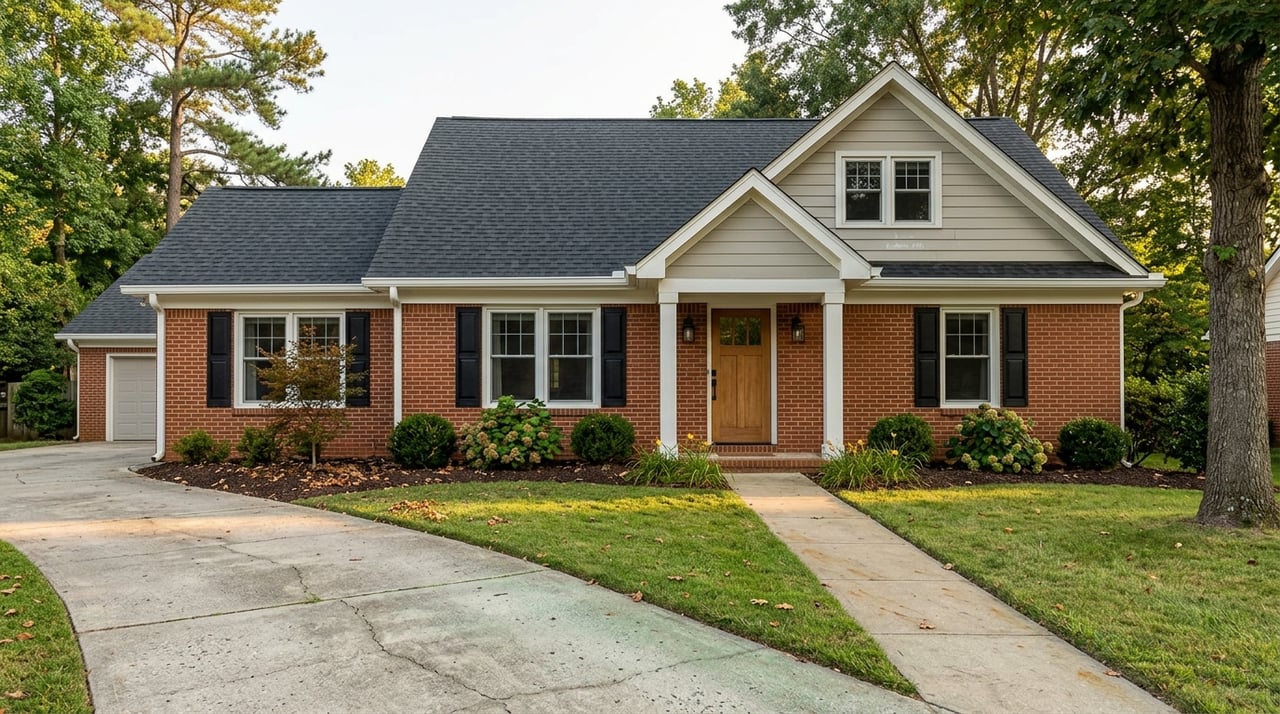
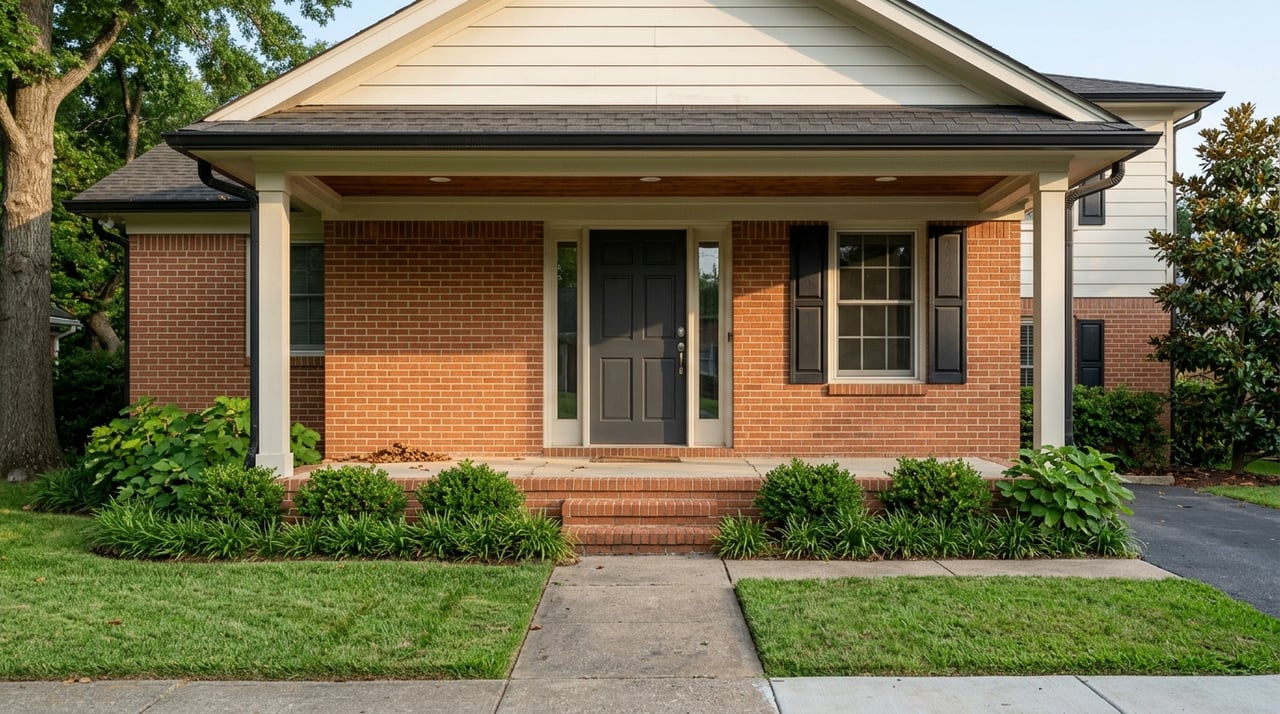
These spaces tend to shape first impressions fastest, both online and during showings.
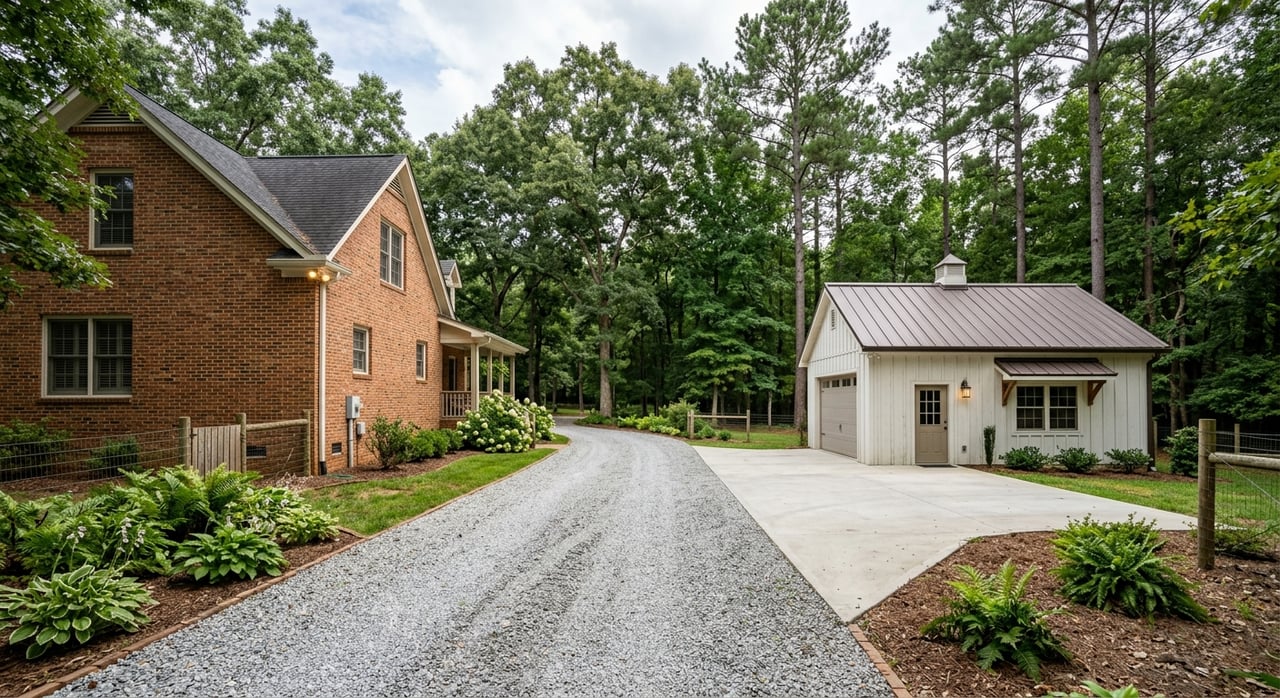
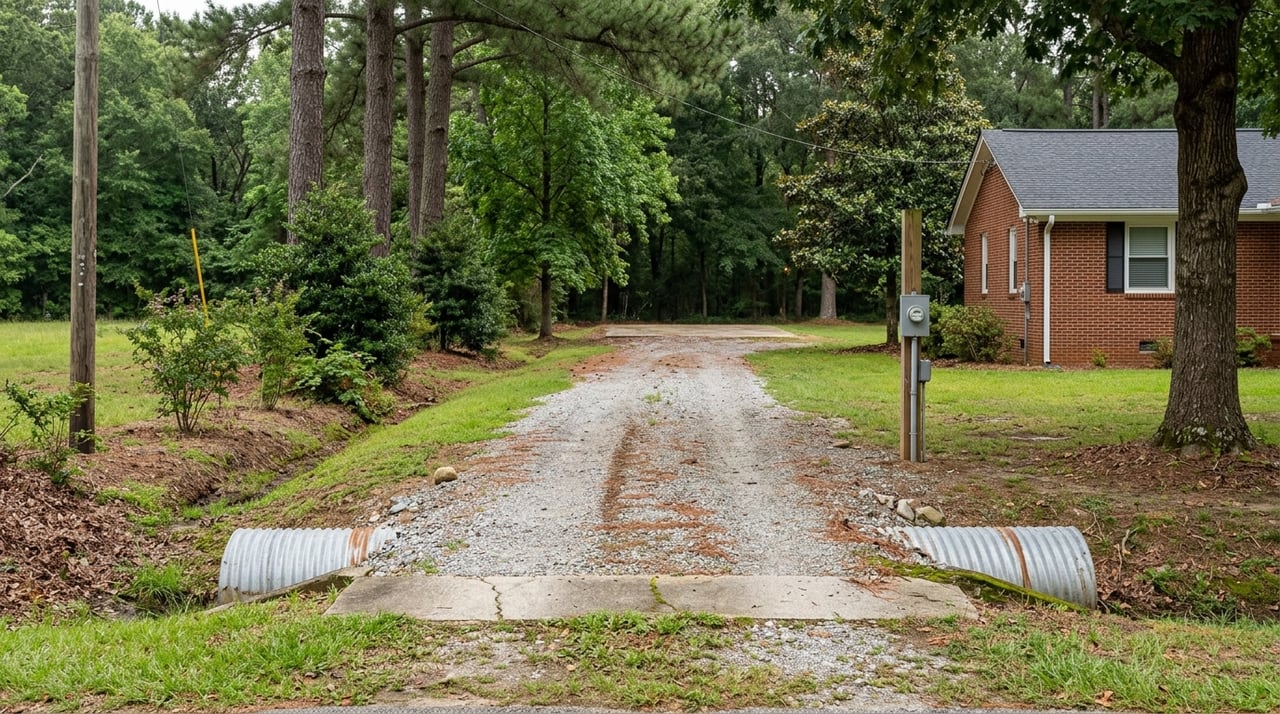
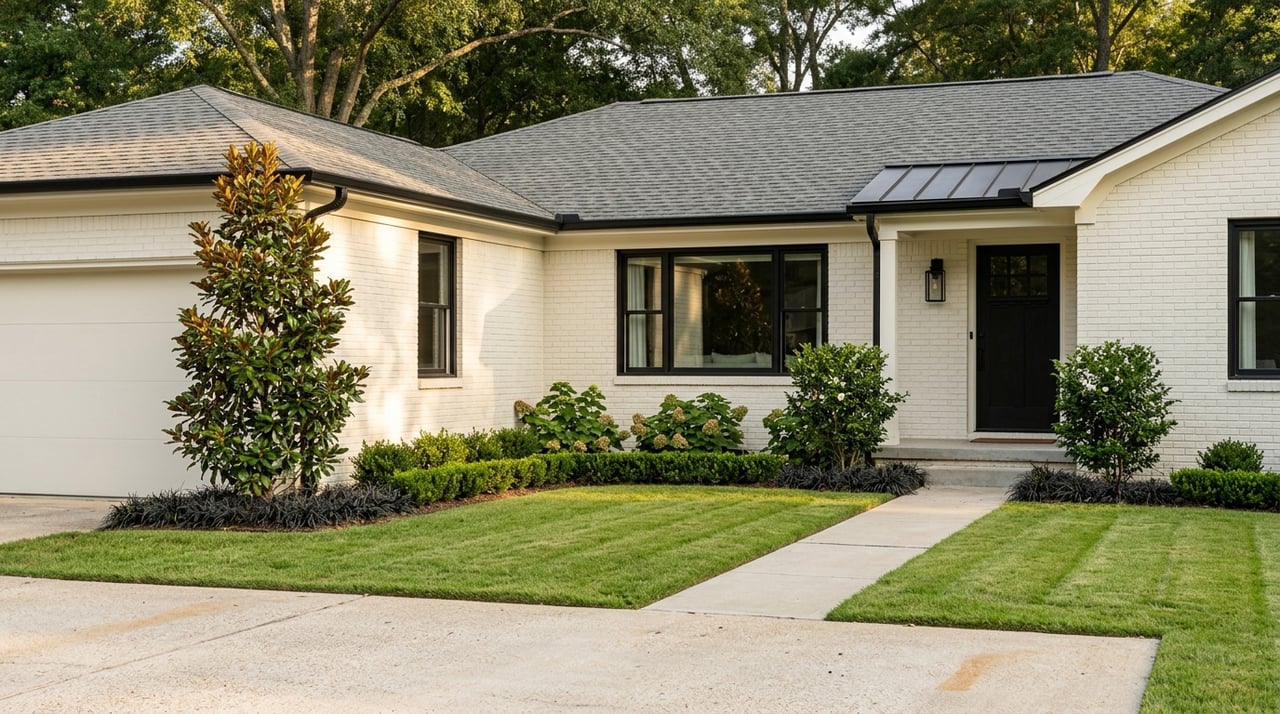
In a place like Genoa, curb appeal often goes beyond the front door. Buyers may be evaluating the driveway, fence lines, pasture edges, wooded areas, barns, sheds, and how easy the whole property is to navigate.
Your exterior should feel maintained and intentional. Trim overgrowth near the entrance, mow where practical, clean up scrap piles, and make the approach to the home and outbuildings look easy to understand.
If you have acreage, presentation also means clarity. Buyers should not have to guess where they can walk, park, or enter. A property that feels orderly usually shows better than one that feels confusing, even if both offer the same amount of land.
With rural or small-acreage property, land details can influence buyer confidence just as much as the home itself. That is especially true when questions come up about boundaries, access, fences, wells, or septic systems.
The more answers you can gather ahead of time, the smoother your listing process may be. You do not need to solve every mystery, but you do want to avoid surprises that slow down showings or negotiations.
Poorly marked boundaries can create confusion and even trespass issues. If your property lines are marked, make sure fence corners, gates, entry points, and visible edges look intentional and reasonably clear.
This does not mean you need to overpromise exact lines if you do not have a recent survey. It does mean buyers should be able to understand the general layout of the property and move through it without uncertainty.
Unused wells deserve careful attention because they can create safety and environmental concerns. Arkansas guidance notes that old wells may sometimes be identified through old photos, former owners, county records, or septic permits kept by the county health unit.
If you know of an unused well, do not ignore it. State guidance says unused wells should be sealed by a licensed well contractor. If you are unsure whether one exists, this is a smart item to investigate before listing.
Septic systems are a major part of rural property due diligence. In Arkansas, septic approval depends on soil suitability, number of bedrooms, and required setbacks, including the 100-foot setback from water wells.
If you have a septic system, try to gather any permit records or related documentation before your home goes on the market. The Miller County or Texarkana local health unit is the place to start for septic permit copies or permit review questions.
Barns, shops, sheds, and similar structures should be part of your listing prep, not an afterthought. Sweep them out, remove clutter, secure hazards, and make sure buyers can walk through them safely.
These spaces help buyers understand how the property functions. When they are clean and accessible, they feel like useful features instead of unknowns.
One of the easiest ways to build trust with buyers is to be organized. A simple pre-listing file can save time, reduce stress, and make it easier to answer questions quickly.
For a Genoa seller, paperwork often matters beyond the usual appliance manuals and repair receipts. Rural and acreage properties may also need supporting information about land, taxes, water, or wastewater systems.
Miller County resources can help with tax and parcel verification, and the local health unit can help with septic-related records.
If your home was built before 1978, buyers of most pre-1978 housing must receive known lead-based paint information and the required lead disclosure pamphlet before the sale is signed. This is worth identifying early, especially if the home or painted outbuildings are older.
Handling this upfront helps avoid delays later in the transaction.
Acreage showings work best when access is simple and controlled. Buyers should know where to enter, where to park, whether a gate is locked, and how to move through the property without confusion.
If you have pets or livestock, make a plan before showings begin. The same goes for gates, fence latches, and any areas that should stay off-limits.
Safety matters too. Open holes, pits, old wells, or unstable areas should be secured before buyers tour the property. A showing should feel comfortable, not uncertain.
For many buyers, the first showing happens online. That means your photo set needs to explain the property clearly, not just make it look attractive.
For a Genoa home or acreage listing, that usually means showing more than the living room and kitchen. Buyers also want to understand the front approach, yard, outbuildings, and the general layout of the land.
A clean and honest photo package can make a big difference. When the property looks bright, maintained, and easy to understand, buyers are more likely to schedule a showing with confidence.
If you want a practical roadmap, start here:
This kind of prep helps buyers focus on the opportunity instead of the unknowns.
The best pre-sale strategy for a Genoa home or acreage property is usually straightforward. Fix what buyers will notice, present the property clearly, and get the paperwork side of the story ready early.
That is where experienced local guidance can make a real difference. The Doris Morris Real Estate team brings a practical, hands-on approach to pricing, preparation, and marketing so you can move forward with a clear plan. Doris Morris can help you map out the right next steps for your property. Let’s Talk Strategy.
Stay up to date on the latest real estate trends.
Before you buy or sell with any other agency, connect with Doris Morris Real Estate. We welcome the opportunity to show you how our concierge approach and proven methods can positively impact your bottom line.