Buying Small Acreage In Genoa: Questions To Ask Before You Walk
July 2, 2026
July 2, 2026
Dreaming about a few acres near Genoa? It is easy to fall for open space, quiet roads, and the idea of building exactly what you want. But with small acreage, what looks simple from the road can hide important questions about access, water, septic, drainage, and county records. If you ask the right questions before you walk the property, you can save time, money, and stress later. Let’s dive in.
Small acreage is rarely a one-size-fits-all purchase. Two tracts that sit close together can have very different road access, utility options, flood exposure, and recorded use details.
That is especially true around Genoa and greater Miller County. A property may look build-ready at first glance, but the real answer depends on tract-specific facts you can verify through county records, health department rules, and land data tools.
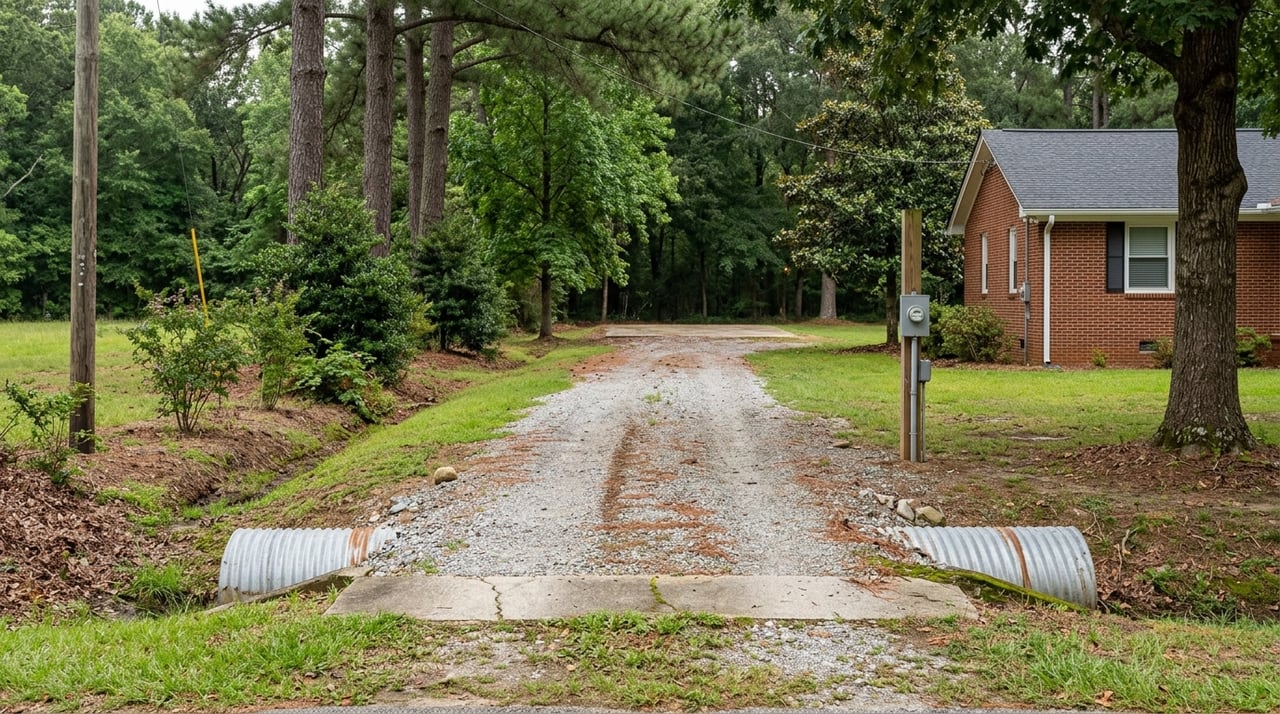
Before you focus on views or where a house might sit, confirm how you legally reach the property. In Miller County, the difference between a county-maintained road and a private road matters because private roads are not maintained by county government.
If the land touches a state highway, driveway access is another early question. Arkansas Department of Transportation rules require an access driveway permit when access to a state highway is needed for residential or commercial purposes.
If legal access is unclear, everything else gets harder. You do not want to spend energy planning a homesite before you know how you can actually reach it and who is responsible for keeping that route usable.
Recorded access questions are a smart first stop in county property records. In Miller County, the Circuit Clerk records deeds, mortgages, liens, and other property instruments, while the assessor provides public access to real estate records for research.
If you plan to build, a 911 address may become part of the process. Miller County has a 911 Address Authority request process for new construction or recently acquired property.
That does not mean every tract already has an address assigned. If you are buying land with future building plans, ask whether the parcel already has a 911 address or whether that step will still need to happen.
Water is one of the biggest practical questions on small acreage. Around Genoa, a tract may have public water available, rely on a private well, or have neither in place yet.
If public water is an option, parcel-level details still matter. The Miller County Public Water Authority’s drinking-water report describes the broader system, but buyers still need to confirm whether a meter is available, where the service line sits, and what any tap or extension costs may be.
A private well needs its own review. The Arkansas Department of Health offers private drinking-water testing through local health units for total coliform and E. coli, while other items like minerals, parasites, and chemicals require a private environmental lab.
If a tract has an existing well, ask when it was last tested and what the results showed. That gives you a better picture of current conditions before you assume the well is ready to serve a home.
A common mistake with acreage is assuming lot size alone answers the septic question. In Arkansas, the Department of Health says there is no minimum lot size for septic approval.
Instead, the needed area depends on soil suitability, bedroom count, and setbacks, including a 100-foot setback from water wells. That means a small acreage tract may still work, or it may have limits that only become clear once soils and layout are reviewed.
Arkansas does describe a narrow septic permit exemption for a single residence on 10 or more acres when all parts of the sewage system are more than 200 feet from any property line, including roads. Even then, the exemption only removes the permit requirement. It does not waive other state or federal requirements.
That is why it is wise not to treat acreage alone as a green light. You still want to understand the tract’s layout, soil conditions, and practical building area before moving forward.
A pretty piece of land can change completely after a heavy rain. Before you walk a property, it helps to review drainage, low spots, and general soil conditions so you have a better sense of what you are looking at on site.
For Genoa-area acreage, two public tools can help with that first pass: USDA NRCS Web Soil Survey and FEMA’s Flood Map Service Center. These resources can help you spot areas where soils, drainage, flood exposure, or setbacks may affect how much of the tract is truly usable.
Not every acre is a usable acre. Even on a modest tract, the combination of slopes, wet areas, flood zones, and septic needs can shrink the area that works well for a homesite or outbuildings.
That is why a quick drive-by is not enough. You want to look at the land with purpose, not just with excitement.
If your plans go beyond a simple homesite, ask more questions early. County ordinances and road rules may matter if you are thinking about outbuildings, storage, livestock, a home business, or heavier vehicle traffic.
Miller County posts ordinances through the county clerk site, and the road department notes that road permits are required for commercial use by heavy vehicles such as log and oil-field trucks. The key takeaway is simple: do not assume the tract’s appearance tells you what uses will work.
It is hard to judge a property clearly if you do not know exactly where it begins and ends. Before you walk small acreage, ask whether the property corners are marked and whether a recent survey is available.
This can help you understand where access runs, where improvements might fit, and whether the layout matches your expectations. It also helps you walk the right land instead of guessing from fences, tree lines, or old paths.
If you want a practical first pass before visiting small acreage in Genoa, use this checklist:
The best acreage buyers do not just walk land. They walk it with a plan. When you know what to ask first, you can spot red flags sooner and focus on the tracts that truly fit your goals.
At Doris Morris Real Estate, we believe land buying should feel clear, practical, and well-guided from the start. If you are thinking about buying small acreage near Genoa, Doris Morris can help you think through the details and build a smart strategy before you move ahead.
Stay up to date on the latest real estate trends.
Before you buy or sell with any other agency, connect with Doris Morris Real Estate. We welcome the opportunity to show you how our concierge approach and proven methods can positively impact your bottom line.