Pleasant Grove Dallas Commute Living: Your Guide
July 9, 2026
July 9, 2026
Wondering whether Pleasant Grove can make your daily commute easier without giving up everyday convenience? If you work in or around Dallas, you likely want a neighborhood that gives you options, not just one way in and out. This guide breaks down what commuting from Pleasant Grove looks like, what day-to-day life may feel like, and why the area can work well for people who need flexibility. Let’s dive in.
Pleasant Grove is part of Southeast Dallas and is recognized by the City of Dallas as a Neighborhood Plus focus area in District 7. The city describes its general boundaries as Prairie Creek Road to the east and Bruton and Forney Roads to the south and north.
The Buckner Station Area Plan places the area about 10 miles south of downtown Dallas. It also describes a land-use mix that includes housing, industrial, commercial, institutional, and community facilities, which helps explain why the area functions as a practical home base for many commuters.
One of the biggest strengths of living in Pleasant Grove is that you are not limited to a single commute style. Depending on where you work and how you prefer to travel, you may drive, park and ride, or combine bus and rail service.
That kind of flexibility matters when your schedule changes from day to day. If traffic, parking costs, or work hours shift, having more than one route or transit option can make the week easier to manage.
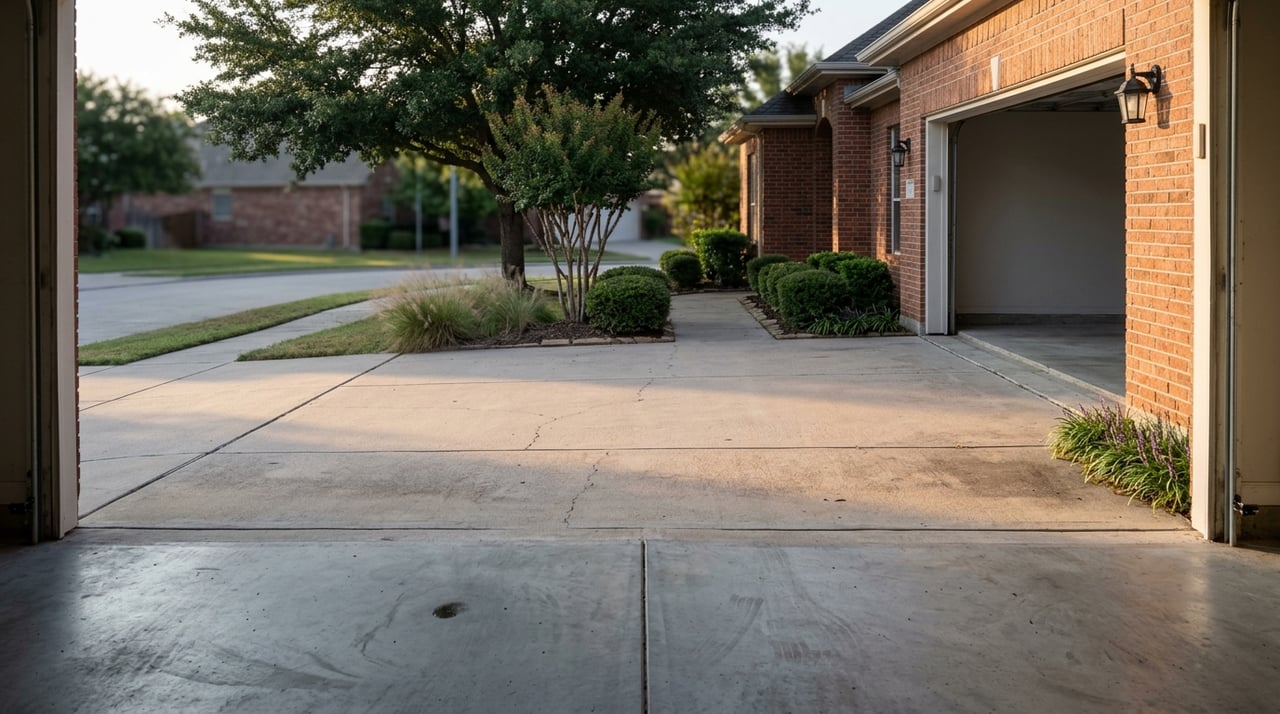
For drivers, the main access roads are U.S. Highway 175 and Loop 12, also known as Buckner Boulevard. The Buckner Station area plan specifically identifies those corridors as the primary vehicular access points for the area.
If you commute by car, that means Pleasant Grove is built around major road connections rather than a single small neighborhood street network. For many buyers, that is an important part of evaluating how quickly they can get to work, appointments, or errands.
When you explore Pleasant Grove, pay close attention to how close a home is to the routes you would use most often. A property that is only a short drive from U.S. 175 or Loop 12 may better fit a daily commute than one that adds extra local travel time before you even reach the main road.
It is also smart to test your likely route during the times you would actually be on the road. That simple step can give you a much clearer sense of whether a specific part of Pleasant Grove fits your routine.
Pleasant Grove also has strong public transit access compared with many residential areas. The neighborhood is anchored by two DART Green Line stations: Buckner Station and Lake June Station.
Buckner Station is the Green Line terminus, and Lake June Station sits east of U.S. 175. Since DART says all four rail lines pass through downtown Dallas, that setup gives Pleasant Grove commuters a direct path toward downtown and access to the wider rail system for transfers.
Buckner Station serves as a key park-and-ride option in the area. According to DART, it is served by:
If you want to drive part of the way and ride transit the rest, Buckner Station may be especially appealing. Being the end of the Green Line can also make route planning feel more straightforward for some commuters.
Lake June Station gives commuters another rail access point within the Pleasant Grove area. DART lists the following service there:
Having two nearby Green Line stations gives you more than one place to start your trip. That can be helpful if one station is closer to home, closer to your errands, or simply works better for your morning schedule.
Some Pleasant Grove residents may prefer a bus-to-rail routine instead of driving the full trip. DART’s local bus system includes Route 15 Buckner, Route 30 Lake June, and Route 38 Ledbetter.
This can create a practical middle ground if you want to reduce driving time while still getting into the larger DART network. For many commuters, the real value is choice. You can adjust based on work location, parking needs, or personal preference.
A commute is only one part of the picture. If you are thinking about living in Pleasant Grove, it also helps to understand how everyday errands and services are arranged.
Official retailer pages and DART station information show that many practical destinations are clustered along Buckner Boulevard and nearby corridors. Rather than a single downtown-style center, the area’s convenience pattern is spread across major roads and station areas.
Nearby grocery options listed in the research include:
Hours listed by the retailers also show broad availability for different schedules. Foodland is open daily from 7 a.m. to 10 p.m., Fiesta Mart from 6 a.m. to 10 p.m., El Rio Grande from 7 a.m. to 10 p.m., and Walmart from 6 a.m. to 11 p.m.
For a commuter, that matters. Early and late shopping windows can make it easier to handle errands before work, after work, or on a quick stop during the week.
DART also points to several destinations near the Pleasant Grove station area that may support daily routines, including:
These kinds of nearby services can make a neighborhood more workable for real life, not just for the drive to the office. When you are choosing where to live, convenience often comes from how smoothly errands fit into your normal week.
If you spend a lot of time commuting, having nearby places to unwind can make a real difference. Pleasant Grove offers several park and outdoor options in Southeast Dallas.
Crawford Memorial Park is a 266.2-acre metropolitan park with a 2-mile loop trail, soccer and baseball fields, picnic areas, a playground, and the Comunidad public-art installation. Pleasant Oaks Park is an 18.7-acre community park with a pool, recreation center, playground, trails, sports fields, and picnic amenities.
For larger outings, the Trinity River Audubon Center offers miles of trails on 120 acres. The Great Trinity Forest Gateway and Horse Trail adds another 250-acre park with a boat ramp, canoe launch, fishing, and trails.
DART’s Lake June Station page also lists Devon-Anderson Park and Texas Horse Park as nearby destinations. Altogether, that gives residents a range of recreation choices close to the area’s transit nodes and main corridors.
Pleasant Grove may appeal to you if your top priority is commute flexibility. The combination of major roads, two Green Line stations, bus service, GoLink access, and free station parking gives you several ways to structure the workweek.
It may also fit if you value practical convenience over a single central retail district. Grocery stores, community facilities, transit access, and parks are available nearby, but the pattern is corridor-based rather than centered around one walkable downtown hub.
If Pleasant Grove is on your list, here are a few simple things to check before you choose a home:
A neighborhood can look good on paper but feel very different once you test your daily routine. The more closely you match the location to how you actually live, the better your long-term fit is likely to be.
If you are comparing areas in and around Pleasant Grove, a step-by-step local strategy can help you focus on what matters most to your schedule, budget, and day-to-day goals. When you are ready to talk through your next move, connect with Doris Morris for practical guidance and a clear plan.
Stay up to date on the latest real estate trends.


Before you buy or sell with any other agency, connect with Doris Morris Real Estate. We welcome the opportunity to show you how our concierge approach and proven methods can positively impact your bottom line.